
Beneath the ocean surface lies an incredible resource called Ciona –
a new source of food with an exceptionally low climate footprint!
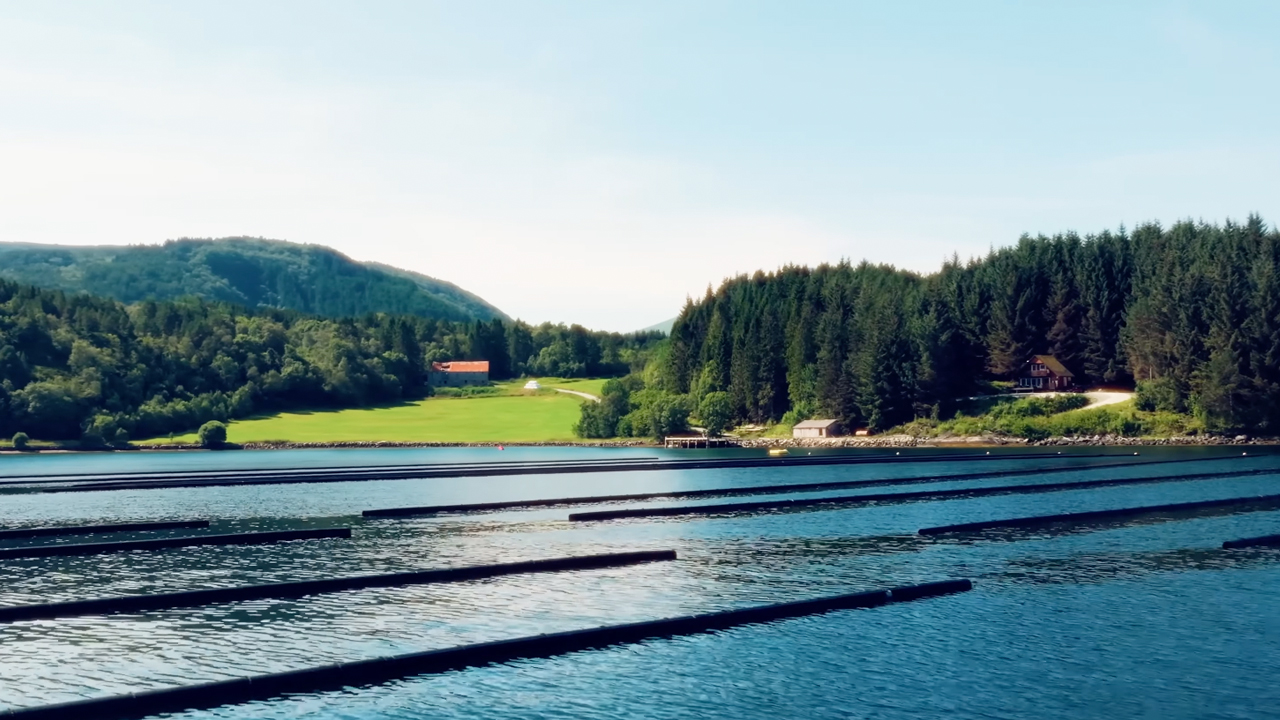
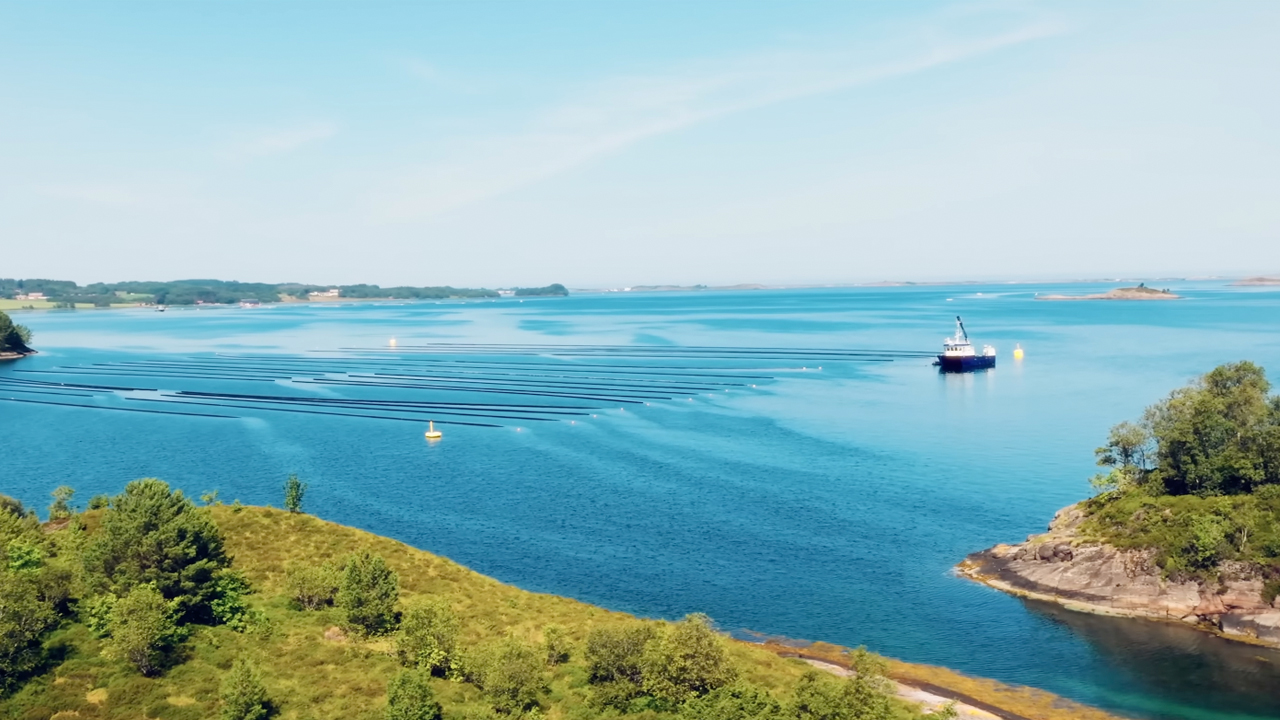
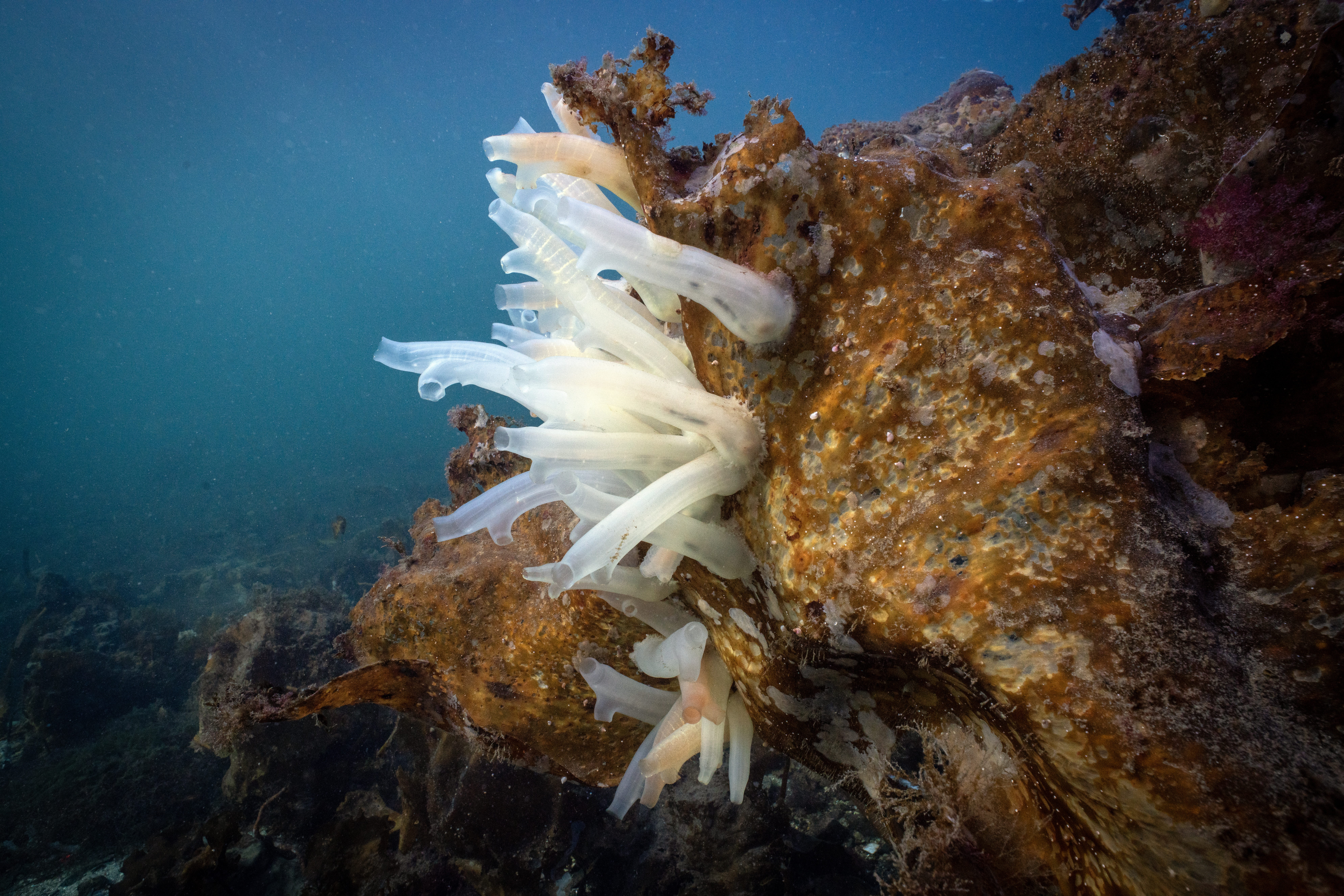
Ciona exists naturally along the Norwegian and Swedish coasts. It is a filter-feeding animal that captures its own food and therefore does not require external feeding. Beyond a natural habitat, not much else is necessary for Ciona to thrive and grow in our cultivation facilities. After about three months in the sea, they are ready for harvest.
To grow, Ciona depends on filtering nutrients from the sea. In nutrient-rich areas, Ciona cultivation can help promote biodiversity and create healthier marine ecosystems. A big advantage is also that we don’t have to use land to grow Ciona. There is hardly any arable land left; therefore, we will have to get much more of our food from the sea in the future.
As a result, Ciona has an extremely low climate footprint* for a raw material that is used directly in food production.
* 0.22 kg CO2-eq/kg for Purply (Norsus, 2024). See the list of more raw materials and foods at Framtiden.no.

Ciona grows naturally in Norway and Sweden.
Pronofa has established production facilities in Stenungsund (SE) and Hustadvika (NO), with several associated marine facilities nearby for cultivation and harvesting of the raw material.
Vi bruker informasjonskapsler for å forbedre brukeropplevelsen på nettstedet vårt og for personlig tilpasning av annonser. Ved å fortsette å bruke dette nettstedet samtykker du til vår bruk av informasjonskapsler. Reject all
We use cookies to enhance user experience, analyze traffic, and personalize advertisements. Some cookies are necessary for functionality, while others require your consent. You can change your settings at any time using the button located in the lower-left corner.
| Name | Type | Duration | Description |
|---|---|---|---|
| cookienotice_cookie | Necessary | 1 month | Stores the user's cookie consent preference. |
| _ga | Statistics (Google Analytics) | 2 years | Used to distinguish users in Google Analytics. |
| _fbp | Marketing (Facebook) | 3 months | Used by Facebook to deliver advertising. |
| _gat | Statistics | 1 minute | Limits requests to Google Analytics. |
We use services from Google (such as Analytics, Fonts and Site Kit) to improve our website and analyze its use. These services may collect and process information about your visit, such as IP address and browsing behavior. You can read more about how Google handles your privacy and data usage in their official documentation: https://business.safety.google/privacy/.
You have the right to request access to the personal data we process about you and how it is processed. You can also request correction, deletion, and limitations in accordance with data protection laws.
If you believe we are not complying with your rights under applicable law, you have the right to file a complaint with the supervisory authority. You can read more about your rights at the Norwegian Data Protection Authority.